Unlocked - The Art of Possibility | Belfius Art Gallery
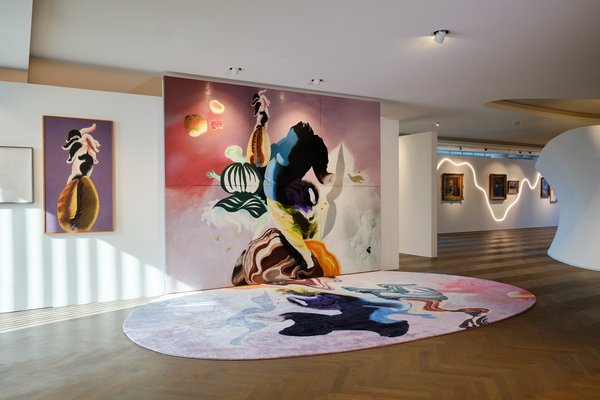
The exhibition Unlocked– The Art of Possibility takes you behind the scenes of creativity—to the moment when possibilities take shape. Where imagination, connection, resilience, process, and innovation bring masterpieces to life.
The exhibition is based on a belief that Belfius has long held: creativity is an essential driver of change and progress. Artists demonstrate how openness to the unknown opens up new perspectives, and how the creative process itself is just as meaningful as the final result.
Unlocked – The Art of Possibility will be on display from 25 April to 12 December 2026 at the Belfius Art Gallery on the 23rd floor of Belfius’s head office.
Val-Saint-Lambert & design (1958–2000)
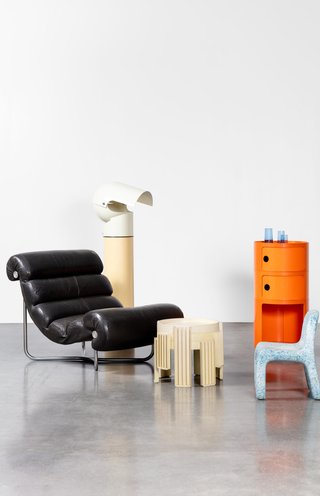
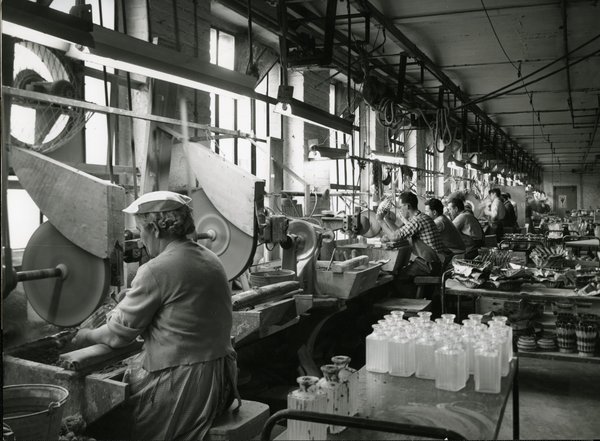
In 2026, Cristalleries du Val Saint-Lambert will celebrate its bicentennial. To mark this anniversary, the Design Museum Brussels is collaborating with various museums and scientific institutions to shine a spotlight on this gem of Belgian creativity and industrial heritage.
In collaboration with the Glass Museum in Charleroi and curated by Catherine Thomas and Anne Vanlatum, the exhibition Val Saint Lambert & Design (1958-2000) at the Design Museum Brussels is dedicated to the creations of Val Saint-Lambert from the 1958 World's Fair to the early 2000s, a period that witnessed unprecedented creative innovation. It embodies Val Saint-Lambert's desire to preserve the craft while anchoring it in modernity and in a constant dialogue with design.
This exhibition is on display at Design Museum Brussels from April 24th until October 25th 2026.
Military heritage and decolonization in Etterbeek
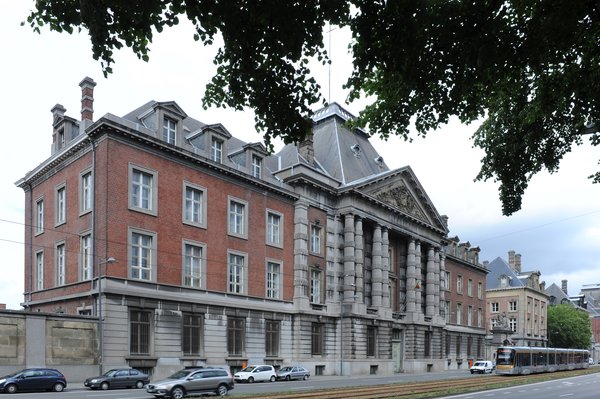
Join us on a walk through Etterbeek and the surrounding area, where architecture and heritage confront us with a layered history of the army, war, and colonial expansion. References to military presence, colonial conquests, and the two World Wars constantly pop up in the streetscape. This tour invites you to take a different look at seemingly familiar places and discover how history is reflected in buildings, squares, and street names.
In the 19th century, a dozen barracks, military domains, and hospitals were built in and around Etterbeek. Many of them disappeared or were given a new function, but their traces are still visible in the city. This walk puts that heritage in context and opens up the conversation about decolonization and how we deal with this fraught past.
Hôtel Aubecq 3.0
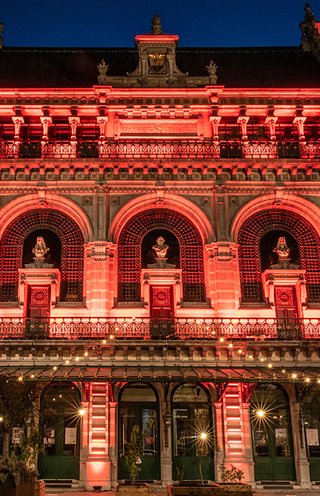
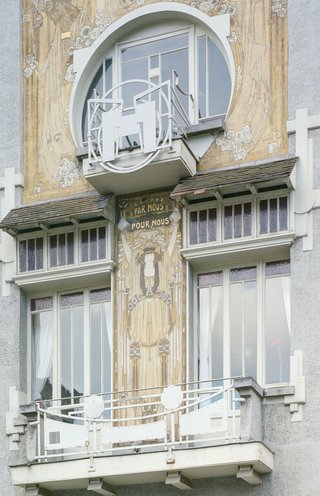
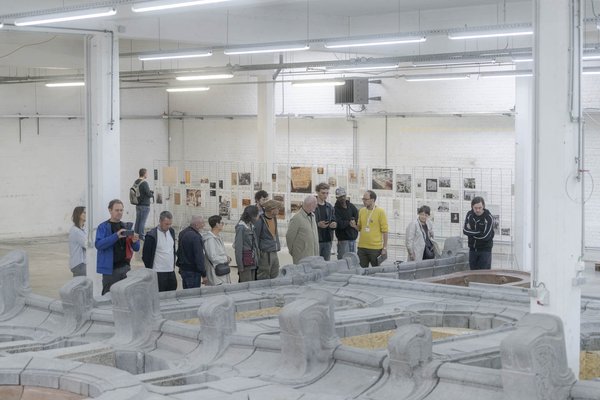
The historic façade of Hôtel Aubecq, a masterpiece by Victor Horta, can once again be admired up close and from a surprising perspective. Under the name Aubecq 3.0, urban.brussels presents a horizontal view of the façade.
The stately mansion on Avenue Louise was built in 1902 for lawyer and industrialist Octave Aubecq. Despite protests, the house was demolished in 1950. Jean Delhaye, a student and patron of Horta’s work, managed to salvage the facade—including stones, window frames, doors, and balconies—from the demolition containers.
After that, the 600 recovered stones from the facade began a long journey, moving from one vacant lot or storage facility to another. In 2001, the bricks became the property of the Brussels Region. The Aubecq facade, which was designated as movable cultural heritage in 2014, is finally receiving the recognition it deserves. It is now being reconstructed on a horizontal plane at the Constructiv premises in Sint-Agatha-Berchem.
Guillaume Geefs: From Belliard to Leopold I
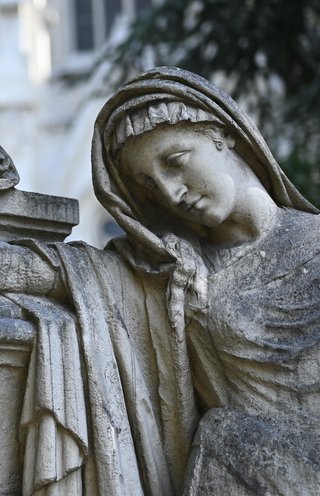
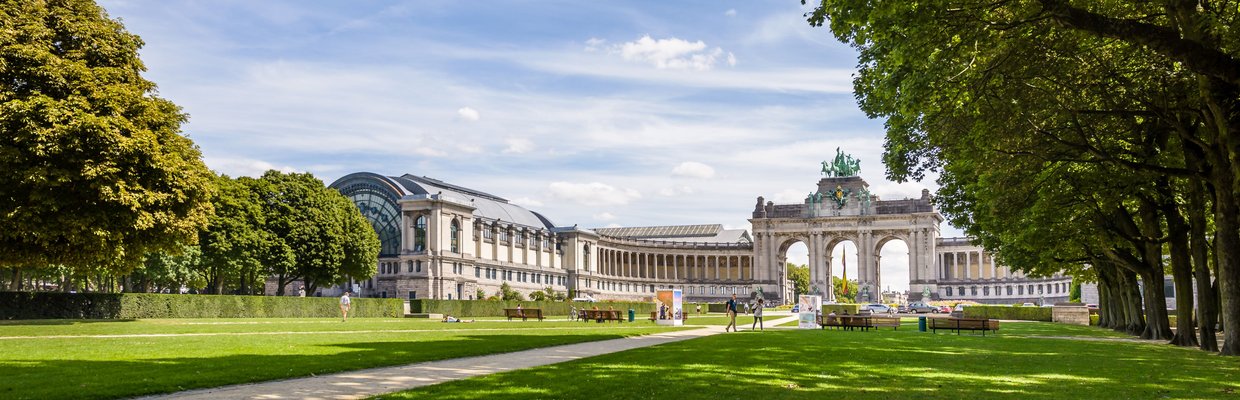
Guillaume who? The statue of Belliard at the top of the stairs between BOZAR and Warande Park, the statue of Leopold I atop the Congress Column, and the memorial on Martyrs’ Square: these are all works by Guillaume Geefs. Each and every one of these sculptures was intended to promote an independent Belgium. He was the right man, in the right place, at the right time, with the right connections.
It’s strange that we don’t know the highly talented Guillaume Geefs (1805–1883) by name, because his work is everywhere. Not only in Brussels, but also far beyond the country’s borders, his sculptures have been included in art collections or can be admired in public spaces.
This walking tour was developed in response to the publication Guillaume Geefs by Korei guide Frederik Tinck. The book is available, among other places, at the museum shop of the Royal Museums of Fine Arts of Belgium.
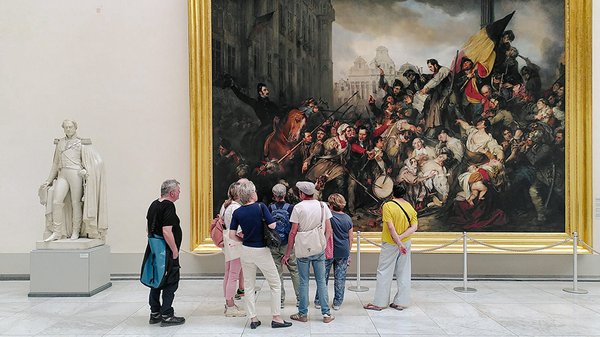
Money in stone: How banking architecture captivates and stands out
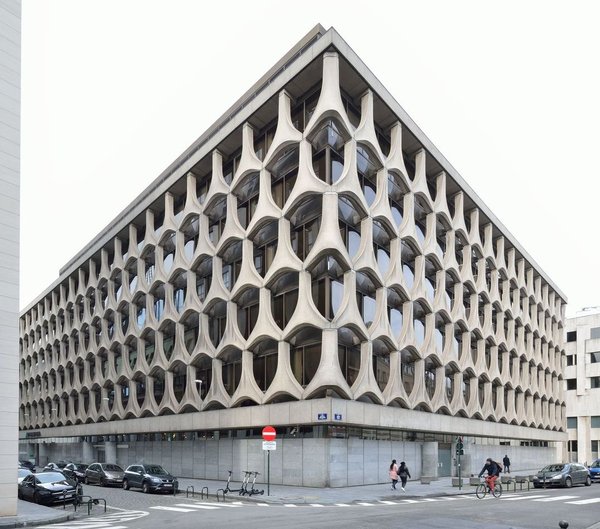
The financial heart of Brussels lies right in the city centre. Without even realising it, you find yourself walking through streets where money reigns (or once reigned). In the 19th century, banks emerged as monumental neoclassical buildings, inspired by temples and palaces, designed to radiate stability and reliability in a young capital city. In the 20th century, these were followed by modernist buildings through which banks sought to demonstrate modernity and progress. Sleek, rational and efficient, often constructed from concrete and glass, they were in keeping with an era of growth and internationalisation. Today, we see contemporary and postmodern developments that emphasise transparency, sustainability and urban integration.
During this walk, we’ll see how banks use architecture to position themselves at the intersection of the economy and society, and how their buildings have become part of the city’s collective memory.
Zin in No(o)rd: a breath of fresh air in the northern district
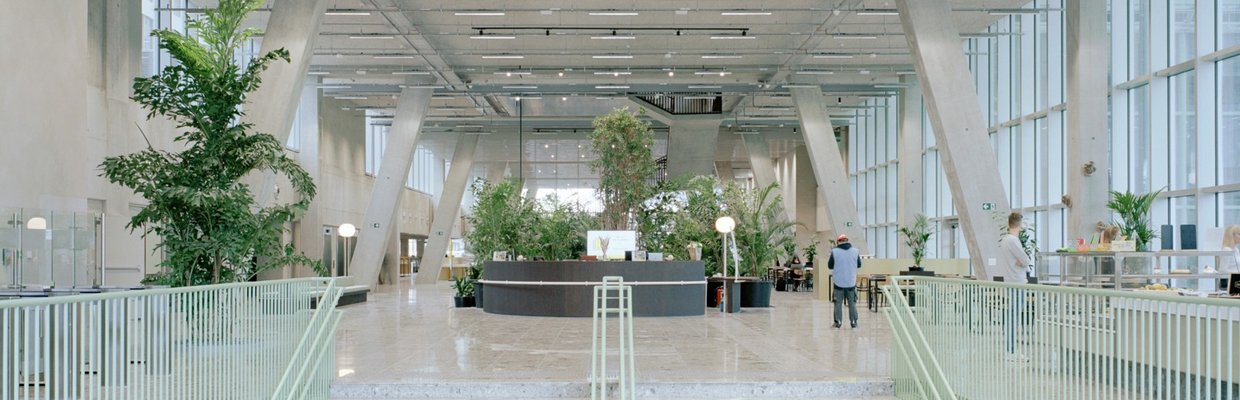
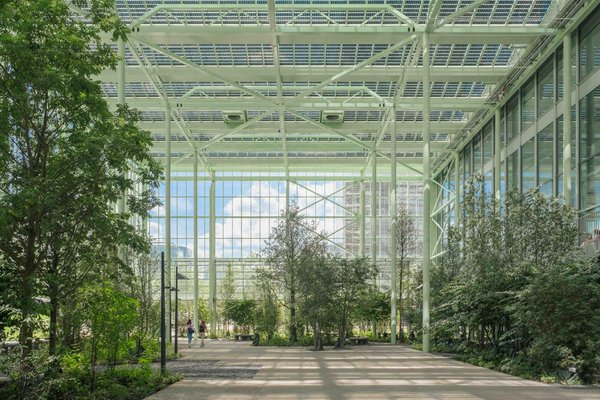
A new wind is blowing through the Noordwijk district's glass towers: the formerly closed, dark buildings have undergone extensive renovation. Rather than starting from scratch, the existing structure and materials were preserved or given a new lease of life wherever possible. This approach lies at the heart of the project's sustainable ambitions: reducing demolition and material consumption, and placing a strong focus on flexibility, energy efficiency, and adaptability over time.
A key part of the project is the Belpaire building, which is home to around 20 Flemish government departments. During a guided tour, you will learn how an outdated office building was transformed into a contemporary working environment with an emphasis on light, openness, and its relationship with public spaces.
Zin in No(o)rd was named the World's Best Tall Building in 2025. The project was also longlisted for the prestigious EUmies Awards and shortlisted for the Brussels Architecture Prize.
Logis & Floréal – social housing based on the British model
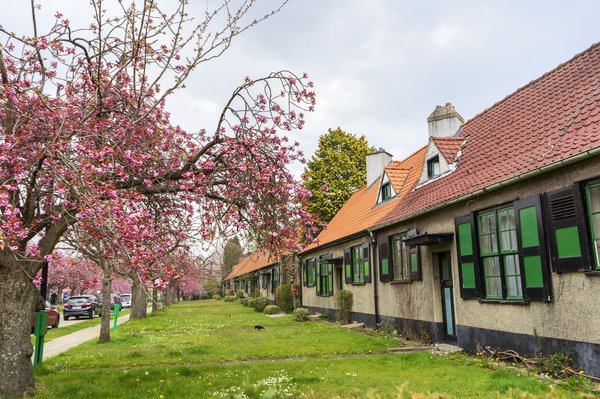
At Le Logis and Floréal, you will experience a living environment that has captured the imagination for over a century: winding avenues, lush front gardens, and rich vegetation with hundreds of Japanese cherry trees that form a soft pink mist of blossoms around the houses every spring. These garden suburbs in Watermaal-Bosvoorde were created at the request of two tenants' cooperatives from 1921-1922 and were designed by architect Jean-Jules Eggericx in collaboration with urban planner Louis Van der Swaelmen, within the garden city concept that came to Belgium from England at the beginning of the 20th century. In contrast to the more rigid urban grid, everything here seems to have grown organically: undulating terrain, variation in geometry and sightlines, and a fluid symbiosis of buildings and nature.
Lioncity
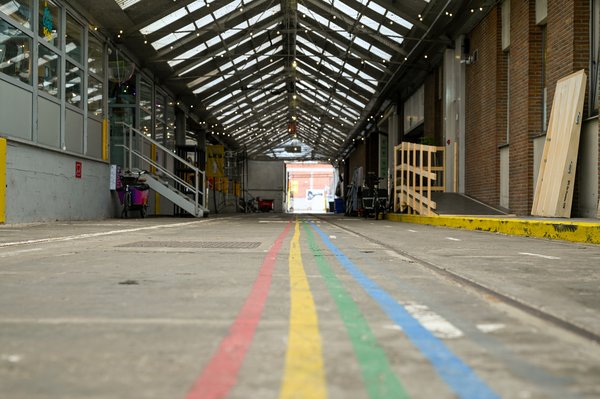
Anyone who enters Lioncity today finds themselves in a place that embodies the past, present, and future. The site, once owned by Delhaize, housed the bottling plant and distilled spirits, among other things, and thus played a major role in the company's development into the supermarket we know today. Strategically located close to the railway line and the canal, the site was part of the industrial network that shaped Molenbeek since the 19th century. Warehouses, logistics buildings, and robust structures bear witness to an architecture that was entirely dedicated to efficiency, production, and distribution.
Right through Molenbeek
What is now a densely built-up and lively urban district once began as a modest municipality on the outskirts of Brussels. When Belgium was founded, Sint-Jans-Molenbeek underwent a rapid transformation thanks to its strategic location along the canal and close to Tour & Taxis. Industry, trade, and workers' housing grew here at an unprecedented pace, making Laag-Molenbeek one of the economic engines of the capital. The high demand for labour attracted migrants, first from other Belgian regions and later from abroad, who found a place to live and work here.