Money set in stone: How banking architecture captivates and stands out


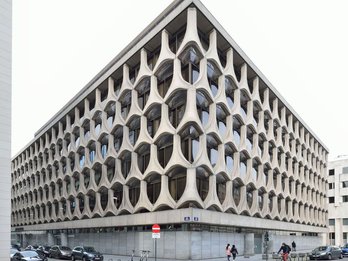
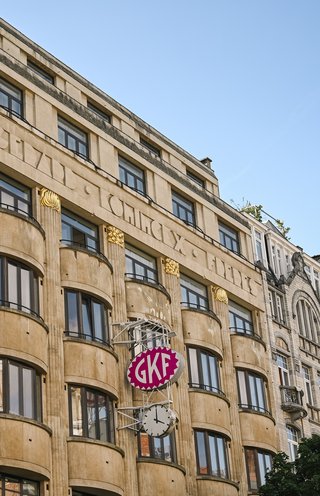
ASLK Marais © urban.brussels M. Vanhulst
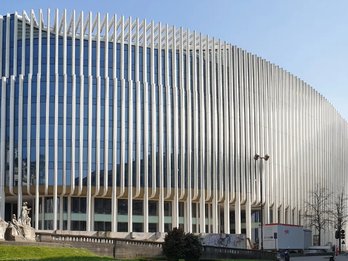
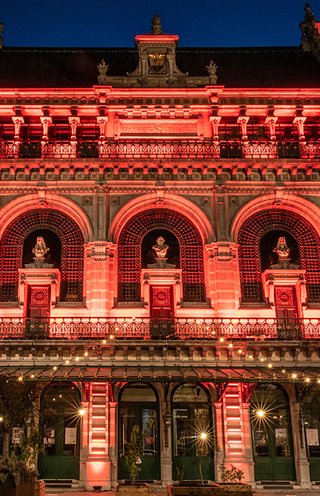
BNP Paribas Fortis - Ravenstein
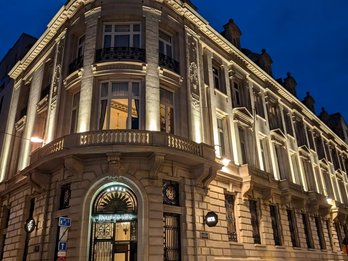
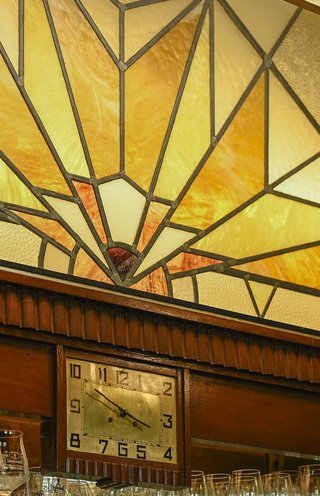
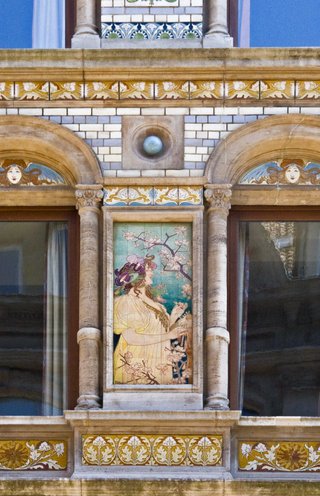
ASLK © Hôtel de Fleur
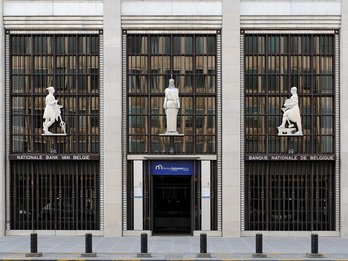
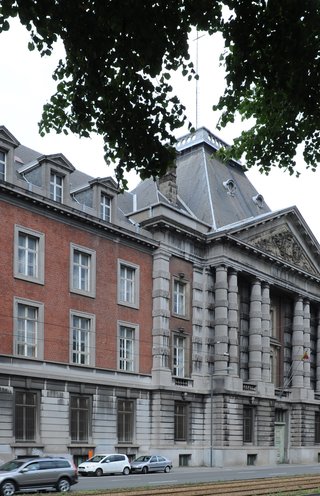
Nationale Bank © Nationale Bank
A journey through 200 years of Belgian currency
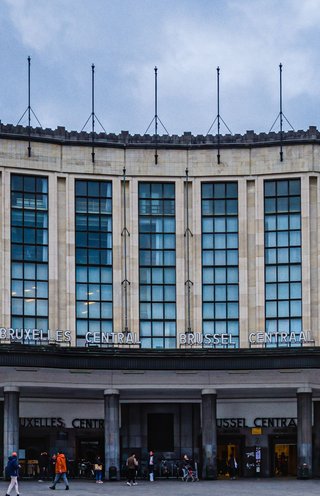
The financial heart of Brussels lies right in the city centre. Without even realising it, you find yourself walking through streets where money reigns (or once reigned). In the 19th century, banks emerged as monumental neoclassical buildings, inspired by temples and palaces, designed to radiate stability and reliability in a young capital city. In the 20th century, these were followed by modernist buildings through which banks sought to demonstrate modernity and progress. Sleek, rational and efficient, often constructed from concrete and glass, they were in keeping with an era of growth and internationalisation. Today, we see contemporary and postmodern developments that emphasise transparency, sustainability and urban integration.
Grandeur and recognisability as assets
Banks deliberately choose striking buildings because architecture is a form of communication. A bank building must inspire confidence, demonstrate financial strength and, at the same time, be recognisable within the cityscape. Through grandeur, the quality of its materials and a prominent location, a bank shows that it is stable and reliable. At the same time, the architecture reflects the spirit of the age: whereas in the past, solid façades were intended to radiate security, recent designs emphasise openness and accessibility, with large windows and spaces open to the public. The building thus serves as a calling card, where economic ambitions and social values converge.
As various bank buildings are now no longer fit for purpose and, in most cases, are too large, new uses are being sought and found. For example, negotiations are under way regarding the repurposing of the National Bank’s former printing works, and you can now enjoy pizza and sushi in the former counter hall of the ASLK.
During this walk, we’ll see how banks use architecture to position themselves at the intersection of the economy and society, and how their buildings have become part of the city’s collective memory.
Good to know
This city walk takes place in an urban environment where obstacles such as cobblestones, narrow sidewalks, and level differences cannot always be avoided. Please do not hesitate to contact us for more information.
This walk is a linear walk with a different end point. Don't want to walk back to the starting point? No problem: there is always a public transport stop nearby. At the start, you can agree on the end point with the guide.
Reservation and guide fee. We are exempt from VAT.