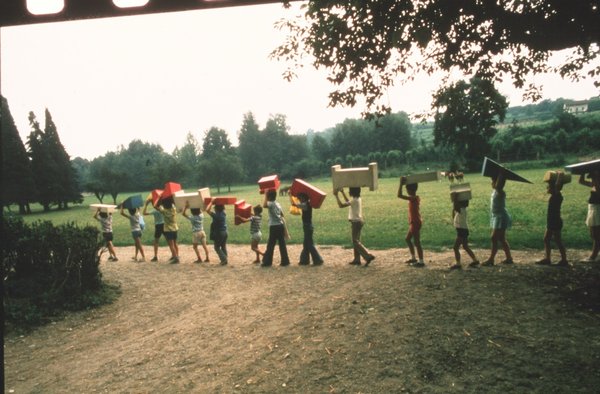
Designing childhood. A history of design for children
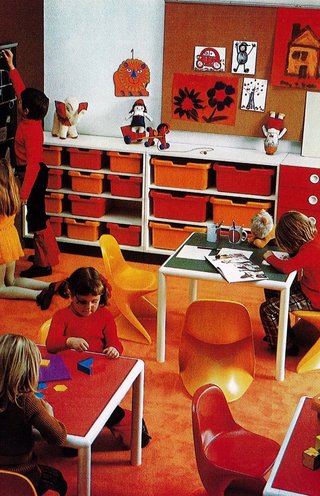
As a testing ground for new materials and production processes, children’s furniture has left its mark on the history of 20th-century design. It embodies the ambitions, social changes and technological advances of its era. Gradually recognised as individuals in their own right, children are no longer seen as ‘little adults’ and have carved out a specific place for themselves in the home, society and the market.
This exhibition, in collaboration with Centre Pompidou, is on display at Design Museum Brussels from April 1st until September 20th 2026.
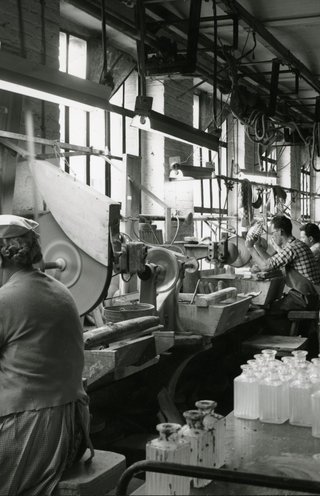
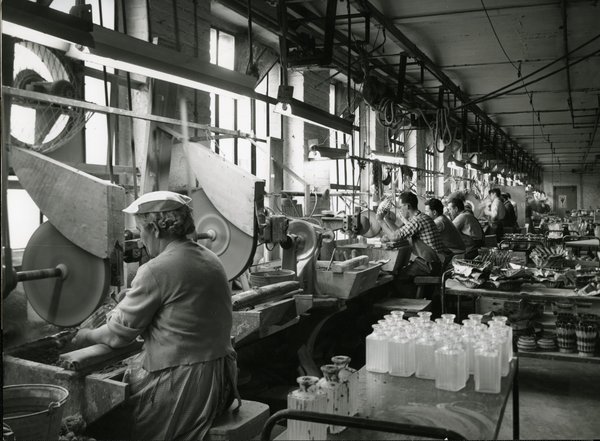
Val-Saint-Lambert & design (1958–2000)
In 2026, Cristalleries du Val Saint-Lambert will celebrate its bicentennial. To mark this anniversary, the Design Museum Brussels is collaborating with various museums and scientific institutions to shine a spotlight on this gem of Belgian creativity and industrial heritage.
In collaboration with the Glass Museum in Charleroi and curated by Catherine Thomas and Anne Vanlatum, the exhibition Val Saint Lambert & Design (1958-2000) at the Design Museum Brussels is dedicated to the creations of Val Saint-Lambert from the 1958 World's Fair to the early 2000s, a period that witnessed unprecedented creative innovation. It embodies Val Saint-Lambert's desire to preserve the craft while anchoring it in modernity and in a constant dialogue with design.
This exhibition is on display at Design Museum Brussels from April 24th until October 25th 2026.
Conversation Poem - 30 years Proximus Art Collection
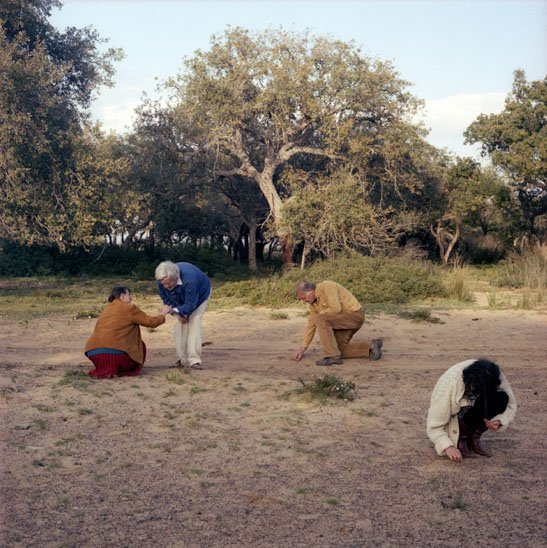
Proximus celebrates 30 years of art with the anniversary exhibition "Conversation Poem" at the iconic Hôtel des Douanes at Tour & Taxis.
Thirty years ago, Proximus started a contemporary art collection based on one clear vision: artists help us see the world differently. They inspire us. They make change visible. They challenge us to look at things with an open mind. Today, the collection includes more than 400 works by Belgian and international artists.
This exhibition will be on display from 14 May to 24 July 2026 at the Customs House on the Tour & Taxis site.
Zin in No(o)rd: a breath of fresh air in the northern district
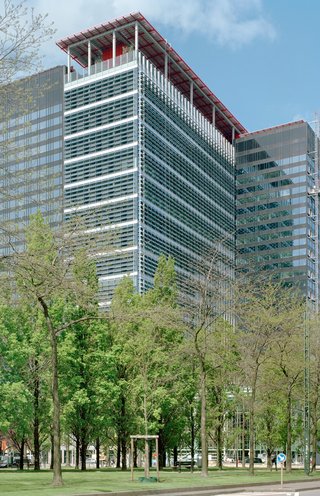
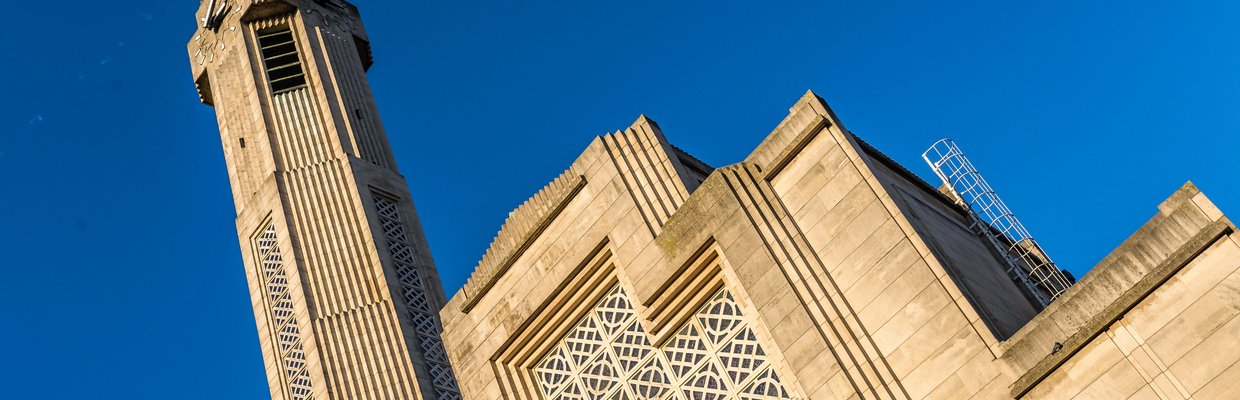
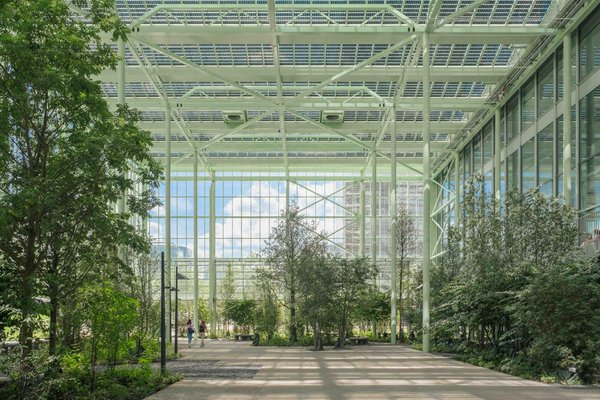
A new wind is blowing through the Noordwijk district's glass towers: the formerly closed, dark buildings have undergone extensive renovation. Rather than starting from scratch, the existing structure and materials were preserved or given a new lease of life wherever possible. This approach lies at the heart of the project's sustainable ambitions: reducing demolition and material consumption, and placing a strong focus on flexibility, energy efficiency, and adaptability over time.
A key part of the project is the Belpaire building, which is home to around 20 Flemish government departments. During a guided tour, you will learn how an outdated office building was transformed into a contemporary working environment with an emphasis on light, openness, and its relationship with public spaces.
Zin in No(o)rd was named the World's Best Tall Building in 2025. The project was also longlisted for the prestigious EUmies Awards and shortlisted for the Brussels Architecture Prize.
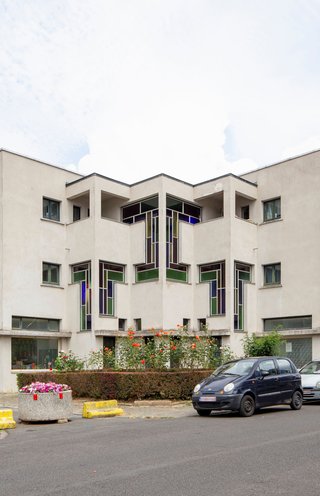
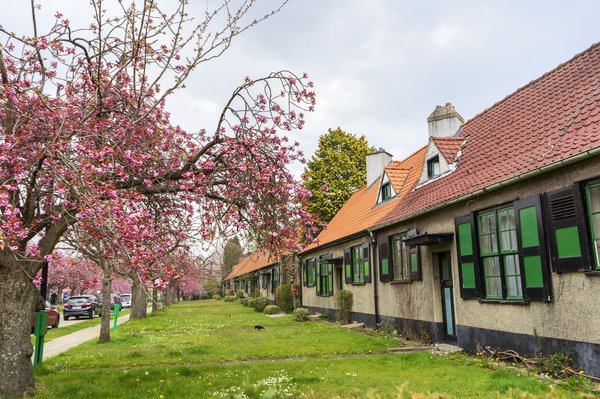
Logis & Floréal – social housing based on the British model
At Le Logis and Floréal, you will experience a living environment that has captured the imagination for over a century: winding avenues, lush front gardens, and rich vegetation with hundreds of Japanese cherry trees that form a soft pink mist of blossoms around the houses every spring. These garden suburbs in Watermaal-Bosvoorde were created at the request of two tenants' cooperatives from 1921-1922 and were designed by architect Jean-Jules Eggericx in collaboration with urban planner Louis Van der Swaelmen, within the garden city concept that came to Belgium from England at the beginning of the 20th century. In contrast to the more rigid urban grid, everything here seems to have grown organically: undulating terrain, variation in geometry and sightlines, and a fluid symbiosis of buildings and nature.
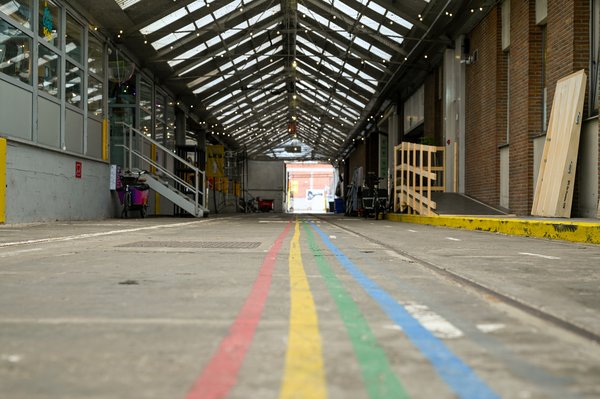
LionCity
Anyone who enters LionCity today finds themselves in a place that embodies the past, present, and future. The site, once owned by Delhaize, housed the bottling plant and distilled spirits, among other things, and thus played a major role in the company's development into the supermarket we know today. Strategically located close to the railway line and the canal, the site was part of the industrial network that shaped Molenbeek since the 19th century. Warehouses, logistics buildings, and robust structures bear witness to an architecture that was entirely dedicated to efficiency, production, and distribution.
Right through Molenbeek
What is now a densely built-up and lively urban district once began as a modest municipality on the outskirts of Brussels. When Belgium was founded, Sint-Jans-Molenbeek underwent a rapid transformation thanks to its strategic location along the canal and close to Tour & Taxis. Industry, trade, and workers' housing grew here at an unprecedented pace, making Laag-Molenbeek one of the economic engines of the capital. The high demand for labour attracted migrants, first from other Belgian regions and later from abroad, who found a place to live and work here.