Zin in No(o)rd: a breath of fresh air in the northern district


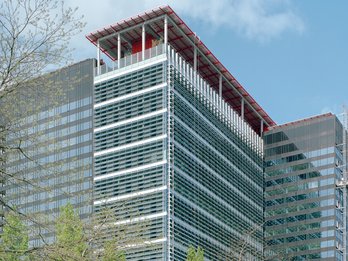
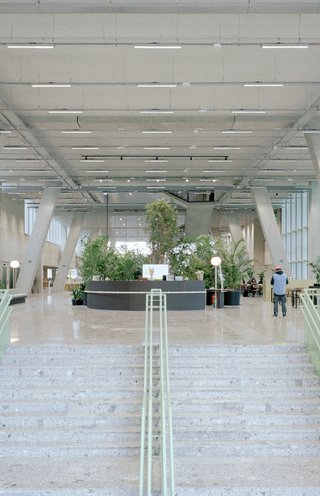
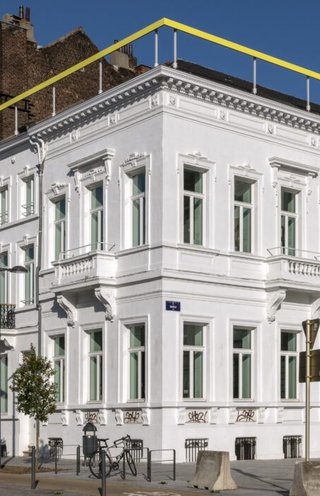
Zin in Noord © 51N4E
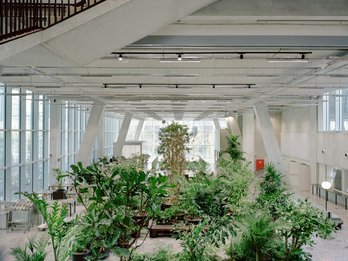
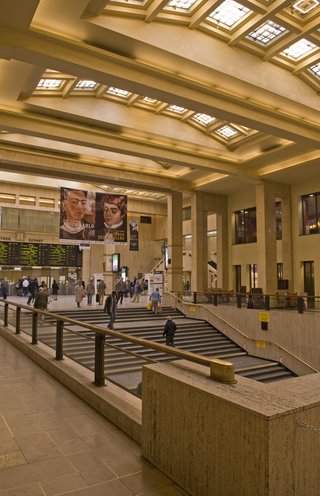
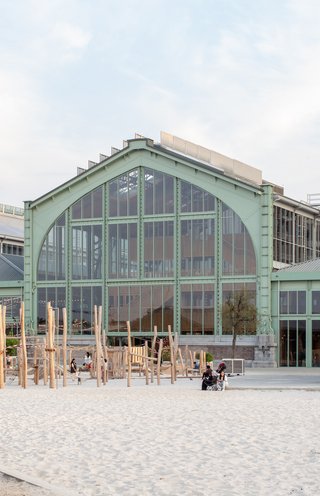
Belpaire © 51N4E
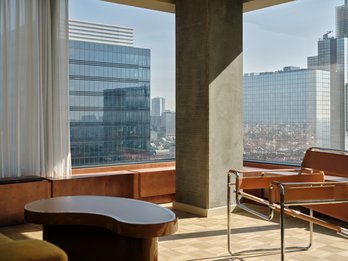
Hotel room The Standard © The Standard
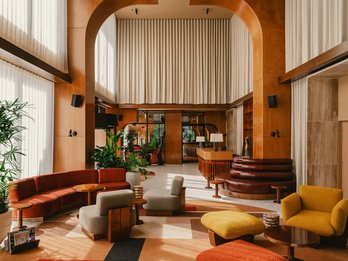
Lobby The Standard © The Standard
From a single-purpose office tower to living, working, and staying
Attention: This guided tour is only available on Wednesday, Thursday, and Friday. On Monday and Tuesday, you can only visit the Belpaire Building without The Standard and the rooftop; you can book that guided tour here.
Zin in No(o)rd is the result of a major renovation of WTC I and WTC II, icons of Brussels' North Quarter. In the 1960s, under the leadership of Paul Vanden Boeynants, the Manhattan Plan was developed here. A modern office district was created with wide avenues that invited cars into the city center. The tall, impersonal towers literally towered above the social network and urban fabric and were to be connected by footbridges. The original plan was only partially implemented, and the new North District became a place that never really came to life.
Today, a new wind is blowing through the glass tower: from closed, dark buildings to more openness, mixed functions, and attention to quality of life. Zin in No(o)rd anchors this transformation in one powerful architectural gesture and was rewarded for this by being named World's Best Tall Building in 2025. The project also earned a place on the longlist of the prestigious EUmies awards and on the shortlist of the Brussels Architecture Prize.
The Belpaire Building: sustainable conversion as a starting point
At the heart of the project is the Belpaire building, which houses some 20 Flemish government departments. The extensive renovation was designed and carried out by the architects at 51N4E in collaboration with l’AUC and Jaspers-Eyers Architects. The starting point was not a tabula rasa, but the existing structure and materials, which were preserved or given a new lease of life wherever possible. This choice is at the heart of the sustainable ambition: less demolition, less material consumption, and a strong focus on flexibility, energy efficiency, and adaptability over time. During the visit, you will gain insight into how an outdated office building was transformed into a contemporary working environment, with attention to light, openness, and the relationship with public space.
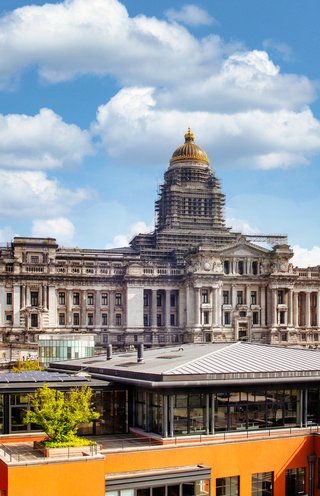
The tour ends at a park high above the city, on the green roof on the 29th floor, after a visit to The Standard hotel, which shares the building with the Flemish government. The panorama over Brussels and the port area makes the scale and context of the project tangible. At the same time, the roof shows how greening and climate-conscious design are also possible at great heights. A conclusion that literally and figuratively offers perspective on the future of building in the city.
Good to know
Sanitary facilities are available in the building.
The building is accessible to persons with limited mobility, provided that an adapted route is used. Please let us know in advance if your group includes participants with limited mobility.
Reservation and guide fee. We are exempt from VAT.
Photography and filming are NOT permitted indoors.