Living in a Modernist Home?
Since 1995, Korei Guided Tours has been committed to promoting a renewed appreciation of modernism. For example, the Brussels Biennale of Modern Architecture has already been organized five times. As part of the festival, Maurizio Cohen (Faculté d’Architecture La Cambre Horta) wrote a pamphlet in 2020 that highlights the neglect and image problems surrounding early postwar heritage. He describes how we must once again look at the past with curiosity and become acquainted with this bold, social, experimental, and pioneering heritage.
Read an abridged version of the essay “Living in Modernism?” below.
Check out our selection of guided tours and interior tours of modernist architecture here.
First Prologue: A Townhouse
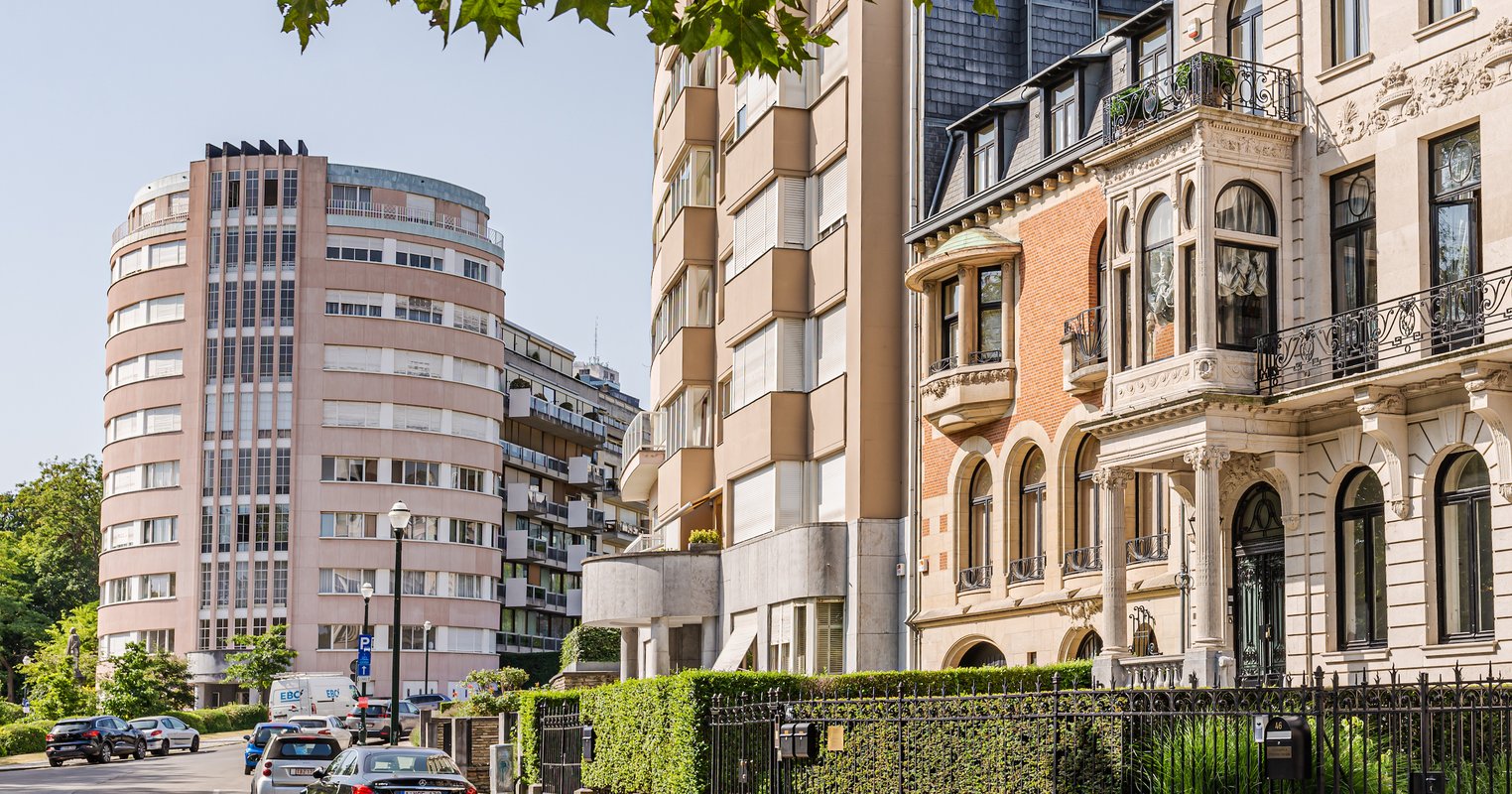
On August 17, 2020, *La Libre Belgique* published an article about a mansion built in 1868 in Eigenbrakel, which is listed as part of Wallonia’s cultural heritage. An application had been submitted to demolish the house and replace it with a building containing 16 apartments. A group of citizens had launched a petition to save the building. According to the article, the mayor claimed that no one had shown any interest in the property for years, that it no longer met current comfort standards, and that it was a bottomless financial pit. The article concluded with these words: “[The mayor] suggested to the opponents of the current project that they use crowdfunding to buy the building they are so attached to themselves and do with it as they please...”
What is invariably missing from this kind of discourse are concepts such as the public good, a shared past, collective memory, or simply values in general. If a mayor—who is expected to represent not only his constituents but all his residents—truly responded in this way, the problem runs deeper and is rooted in politics, in the noble sense of the word. For protecting heritage has nothing to do with nostalgia for a fabricated past, but everything to do with conscious political choices.
Second Prologue: A Resolution
On Friday, March 24, 2017, the United Nations Security Council unanimously adopted Resolution 2347, which designates the destruction of cultural heritage as a “war crime.” Irina Bokova, Director-General of UNESCO, explains this decision as follows: “The deliberate destruction of cultural heritage is a war crime and has become a tactic of war aimed at destroying societies in the long term, as part of a strategy of cultural cleansing. That is why defending cultural heritage is much more than a cultural issue. It is essential for security and is inextricably linked to human lives. [...] Restoring peace is impossible without culture, and without education, prevention, and the transmission of heritage. That is what this historic resolution is all about.”
This international response came in the wake of the destruction wrought by several Islamic groups in Africa and Asia, and drew attention to the ideological nature of such practices. However, the wording sounds like a universal statement that is also relevant in our own countries and cities: even though the perpetrators here are not fanatics, they are nonetheless guilty of—or complicit in—acts motivated solely by economic gain.
Third Prologue: Trials and Rewards
On April 11, 2019, La Libre Immo published a feature titled “Abuse of Legal Procedures Blocks Real Estate Projects,” in which legal procedures are portrayed as “plagues” for real estate projects because they stand in the way of the “necessary densification of the territory.” On September 27, 2017, an article reported that, according to a study by the online platform www.investr.be, one in five properties is sold to investors seeking to build a real estate portfolio. For new construction, that percentage rises to as high as 50%.
On the one hand, a right enjoyed by all citizens of a democratic state is called a “nuisance” because it acts as a brake on real estate activities and the profits derived from them. The problem, therefore, would lie in the concept and basis of the procedures, rather than in the design and relevance of the projects. On the other hand, we observe that densification tends to benefit real estate investors.
The Challenges
To discuss modernity today, we must first look back at the 20th century and all its developments. The technical innovations and the widespread use of new materials during that period radically transformed the construction industry worldwide. The built-up area has increased exponentially, and new building forms and typologies gradually emerged, became established, gained acceptance, and sometimes disappeared again.
Living in a house or apartment designed between the 1920s and the 1970s isn’t really a problem, because the layout and functions don’t differ all that much from current practices. We can adapt perfectly to their dimensions and spaces. However, living today in “modernist” architecture does confront us with issues that go beyond aesthetic values or lifestyle. The main problems are related, on the one hand, to the shifting paradigms brought about by laws and standards, and, on the other hand, to the consequences of environmental changes.
The many new regulations, which are being introduced in rapid succession, are such that they limit our ability to live in existing buildings. They are based on general abstractions and no longer necessarily take into account that each building is a “unique case.” For residents, this situation creates a great deal of difficulty, as they are forced to “standardize” their property. Moreover, if their property is listed, they have no choice but to partially sacrifice their comfort.
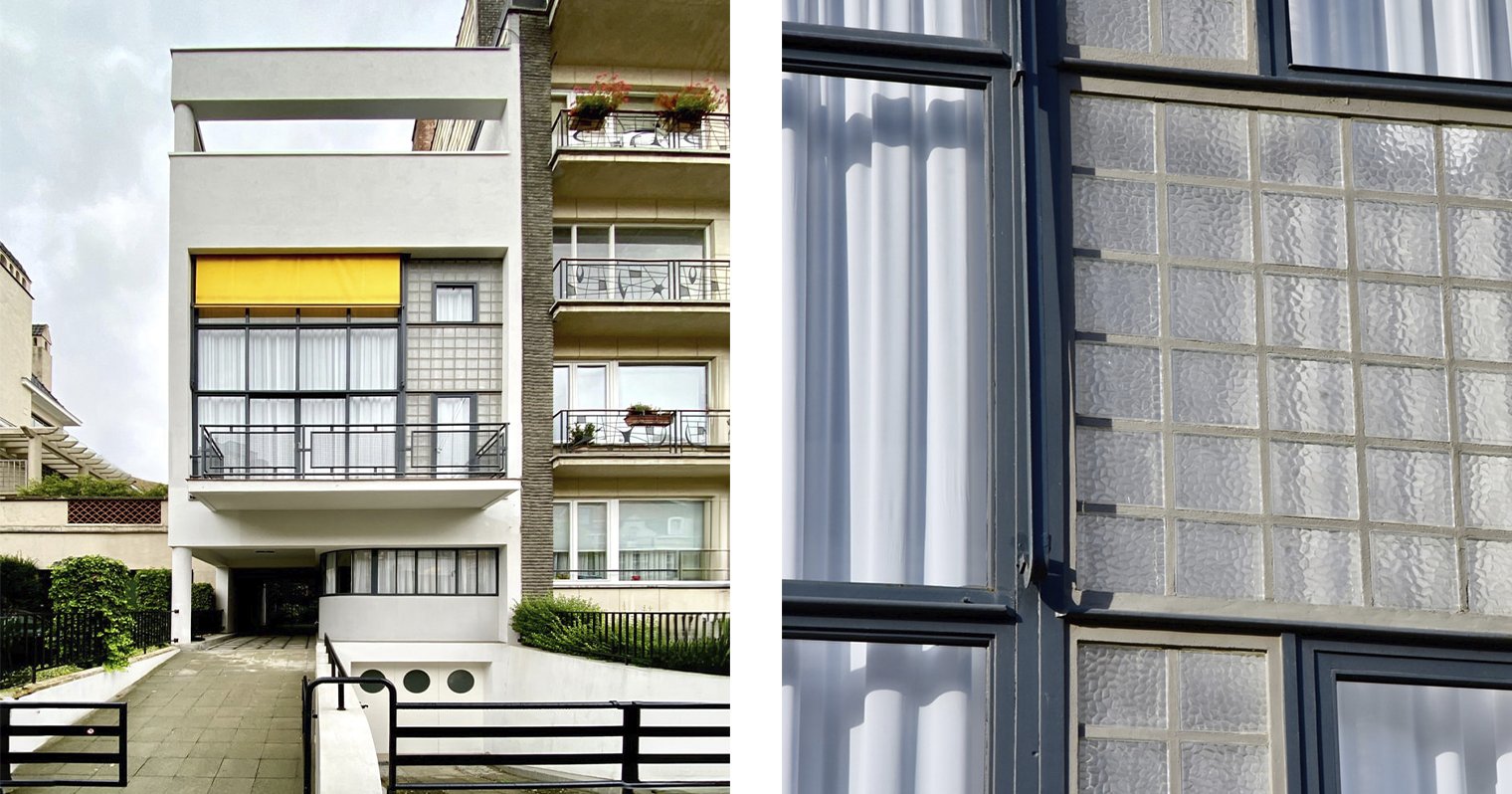
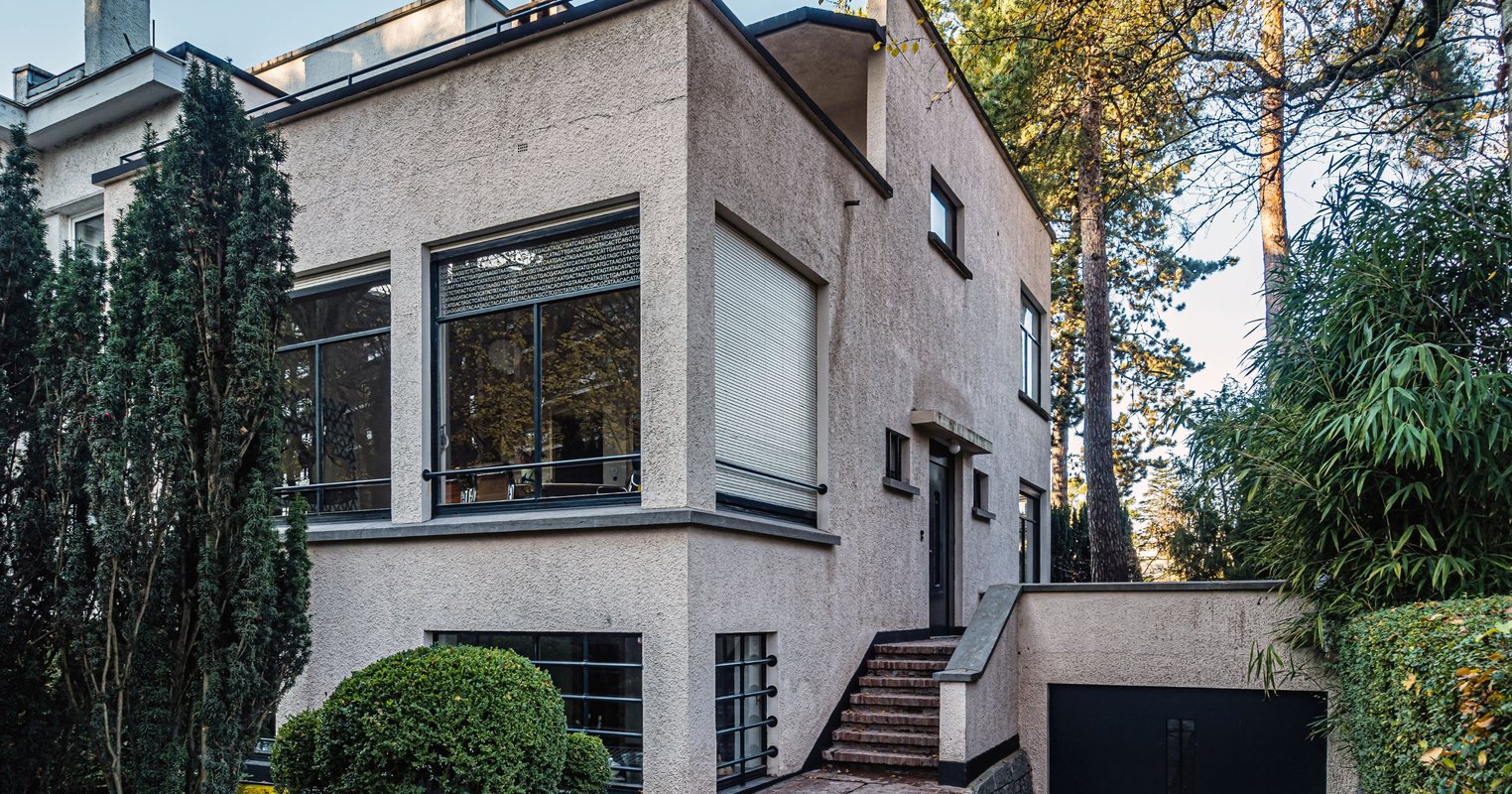
Could we live in Paul-Amaury Michel’s Glass House while at the same time tearing down the rear facade made of glass tiles or the large glass section of the front facade? Can we imagine living in a house designed by Jacques Dupuis, Albert Bontridder, Simone Guillissen-Hoa, or Jacques Wybauw and cladding the exterior walls or altering the roof profiles and volumes to improve insulation? Can we modify the windows of apartment buildings designed by Josse Franssen, Lucien-Jacques Baucher, Stanislas Jasinski, or Jacques Cuisinier if doing so alters the architectural design? Can we convert a deconsecrated church into apartments? Yes, we can—at least if architecture no longer matters.
Brussels, a museum?
A common argument in the real estate press (but also in the architecture press) is that cities should not become museums. Venice, which has lost nearly all of its residents and has become almost exclusively a tourist destination, is the clearest example of this. Yet it is peculiar in itself to compare a city to a museum and to see this as a threat. Of course, museums collect our cultural productions from the past, but it is in their nature to constantly evolve: they are supplemented with new works, their spaces are always changing, and exhibition techniques also evolve. We, however, are stuck in the false notion that a museum is an unchanging place.
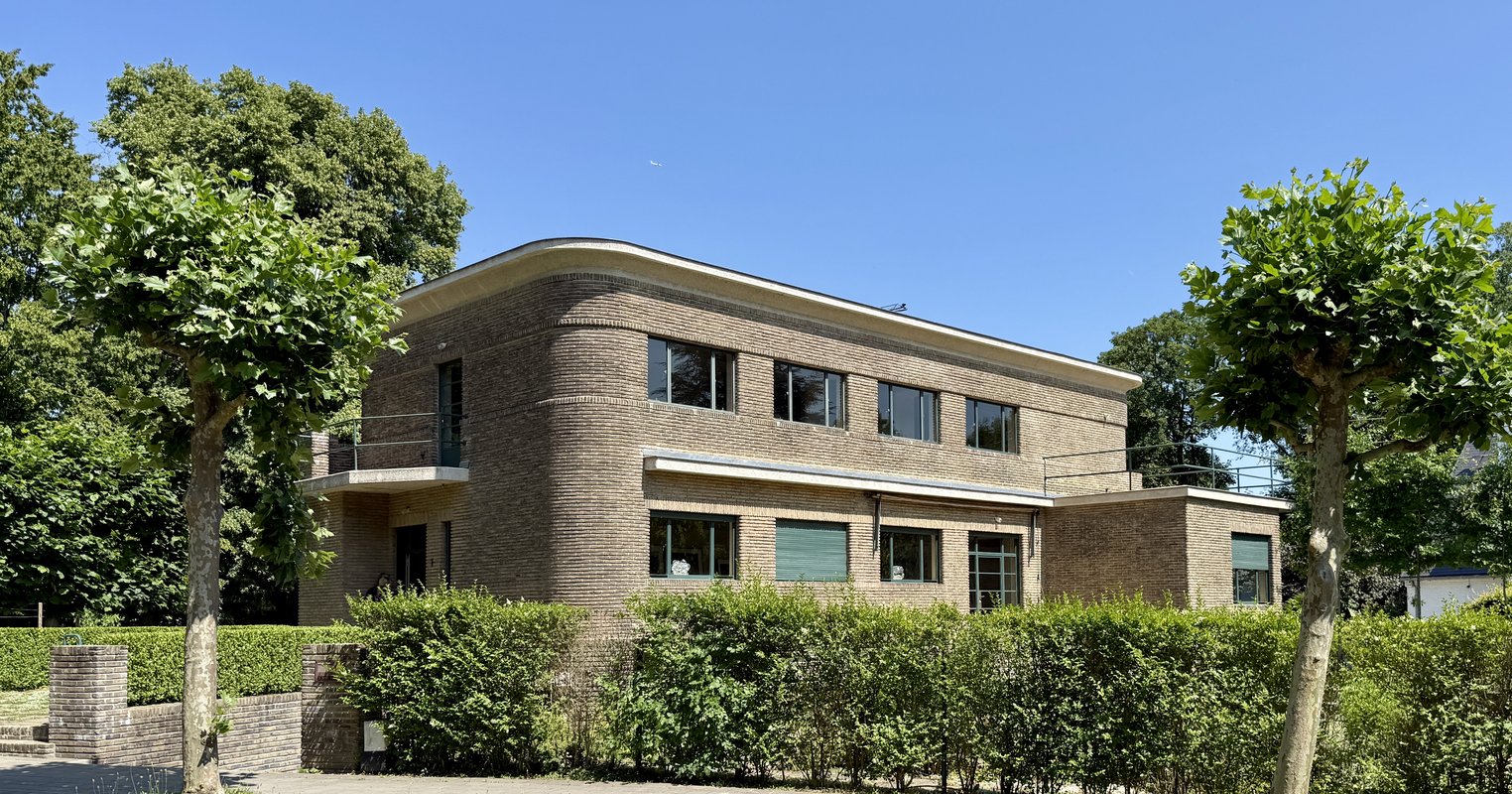
Foreign architects and tourists visiting Brussels often remark that they feel as if they are walking through an open-air museum, with various collections, a few masterpieces, and some less interesting spaces. To them, it is a vibrant, living museum, full of surprises and contrasts. We should listen to these reactions, because they inspire us to appreciate the city for what it is.
If we also learn to accept the architectural styles and structures we don’t like—the expressions we don’t find beautiful—and if we no longer view the past as a “mistake” but approach it with curiosity and goodwill, questions like “Should I stay or should I go?” may well lose all relevance. At the start of the third decade of the 21st century, we should adjust our perspective and accept our past, because we are the result of it.
Solutions
There is no shortage of debates about “demolish or preserve.” The Chief Architect of the Brussels-Capital Region and the real estate press have frequently addressed this issue. There are an increasing number of commendable initiatives to promote a circular economy in the construction sector.
If we want to continue living in modern architecture, we need more knowledge and research. We must expand our knowledge and train generations of increasingly competent professionals. We must understand the history of the city and its economy, as well as the history of those who designed and financed the buildings, infrastructure, and public spaces. We must understand the origins and nature of urban forms and architectural solutions, get to know the buildings, and invest in solutions that are suitable for the existing building stock.
Instead of constantly talking about the city of tomorrow, it would already go a long way toward helping us if we took the right approach to the existing city and made the most of it. That is why we need to make progress at all levels: with a political sphere that promotes visions and values, with solid, competent administrations capable of overseeing projects and seeing them through to completion. With construction professionals who can carry out their work without sacrificing architectural quality for financial reasons, and finally, with designers who are less pretentious and cynical, but more competent and independent. In other words, we need to educate and train.
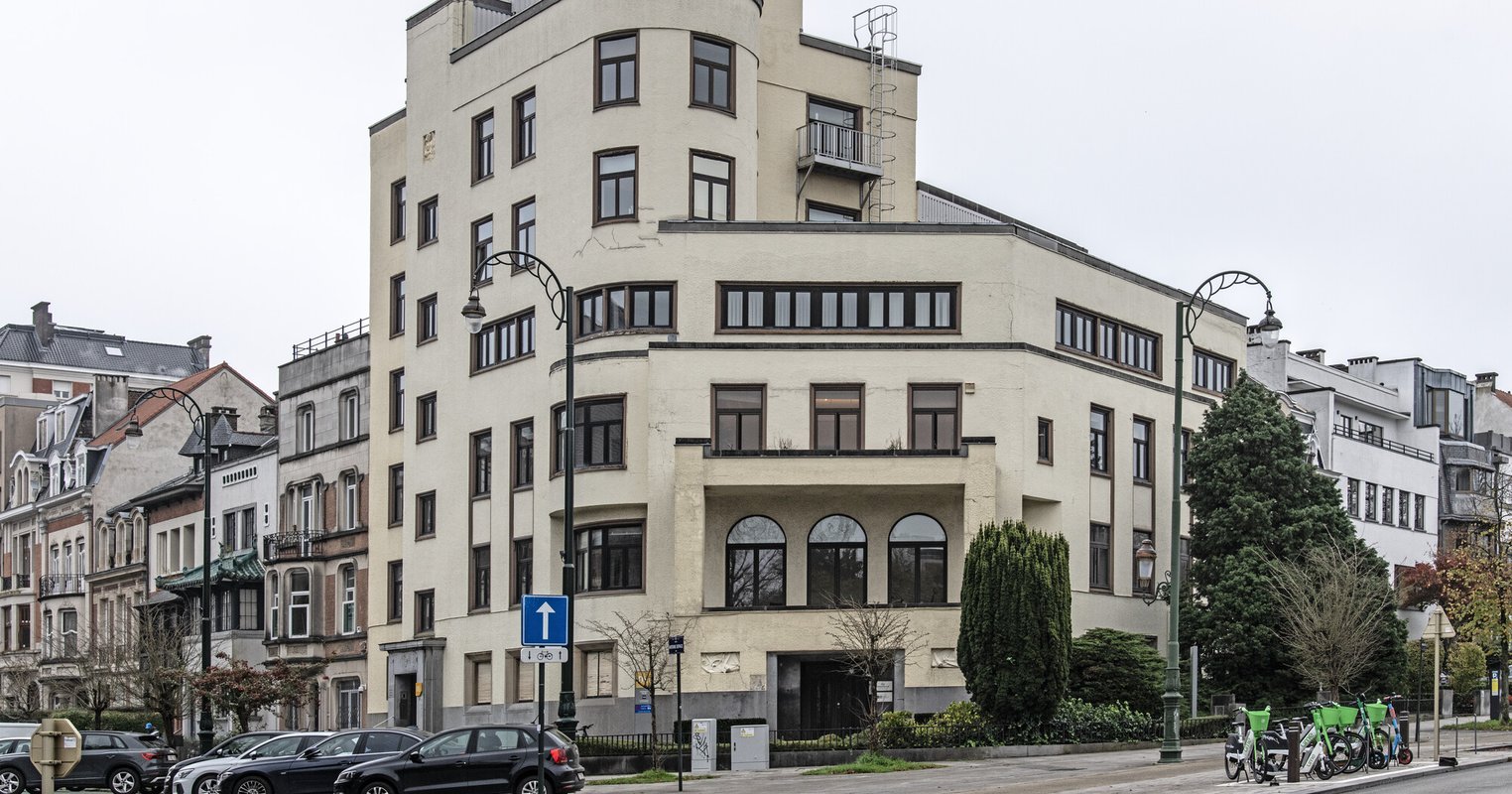
If we care about the environment, the future, and making better use of our surroundings, we must invest in research and in understanding and acknowledging our history. Today’s challenges do not require us to raze everything to the ground and start from scratch. Destruction is an easy but cowardly act. It implies a refusal to learn about and study life as it was for us, because we destroy what we do not understand, what we do not know.
This text is not a plea to preserve everything, but to accept our history. Anyone who wants to live in a 20th-century house or apartment and preserve its strengths and values will always have to make some sacrifices.
