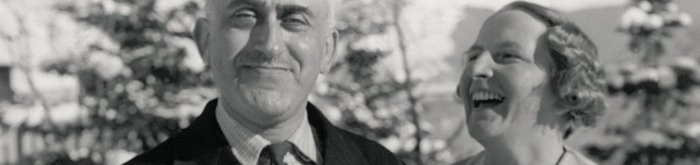
Who were David and Alice van Buuren?
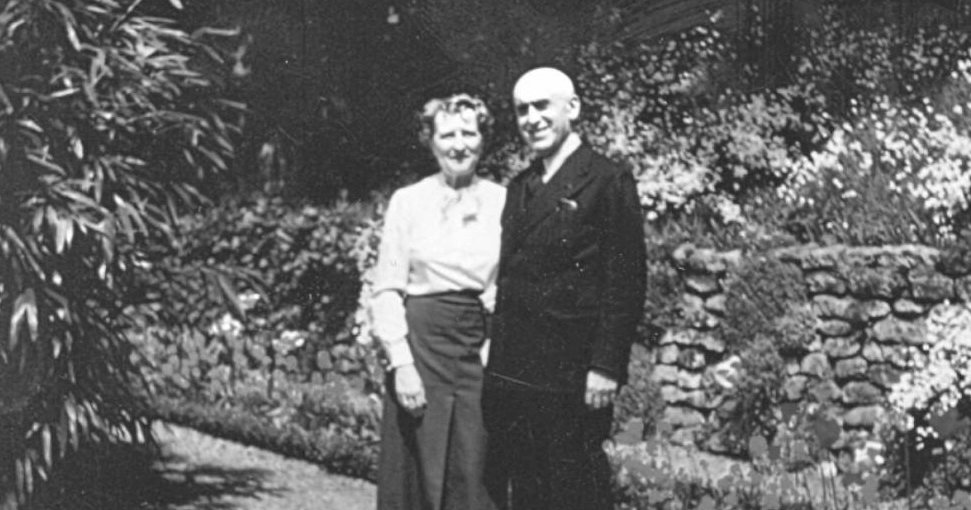
The Van Buurens were among the most prominent figures in Brussels' cultural life during the interwar period. David and Alice's life story is closely intertwined with art, architecture, and landscape, forming the basis of what is now the Van Buuren Museum & Gardens.
David Michel van Buuren (1886–1955) was originally from the Netherlands and was a successful banker who settled in Brussels in 1909. In 1922, he married Alice Piette (1890–1973), who was from Antwerp. The couple met at work, where Alice was an executive secretary. Together, they embarked on a lifelong project of collecting, supporting and exhibiting art. David van Buuren was not only a good friend of the painter Gustave Van de Woestyne, but also his patron.
A total work of art
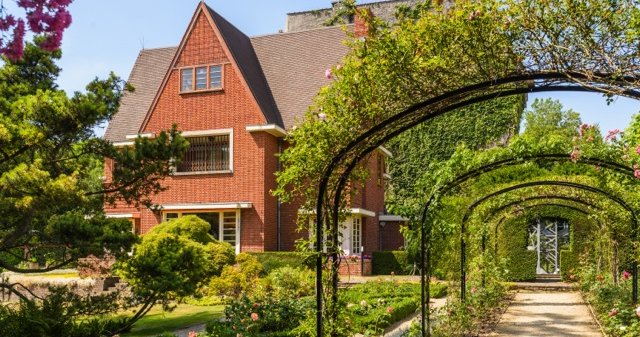
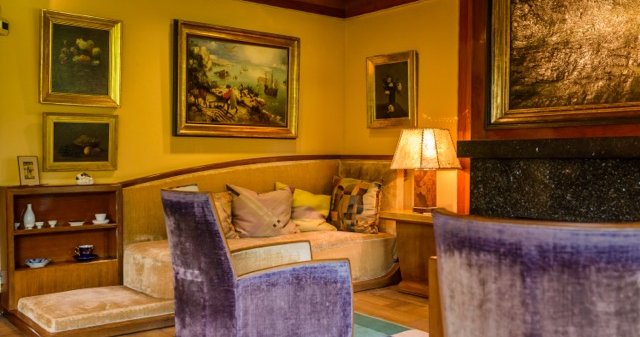
Their house on Léo Errera Avenue in Uccle is one of the finest examples in Brussels of a Gesamtkunstwerk — a place where architecture, interior design, and an art collection come together to create a unified experience. Built in the Amsterdam School style between 1924 and 1928, the villa's design is strongly reflected in the use of red brick, different brickwork patterns, a pointed roof and windows flush with the façade. The interior, on the other hand, is an exceptional ensemble of Art Deco designs created by leading Belgian, French and Dutch interior designers, artists and craftsmen.
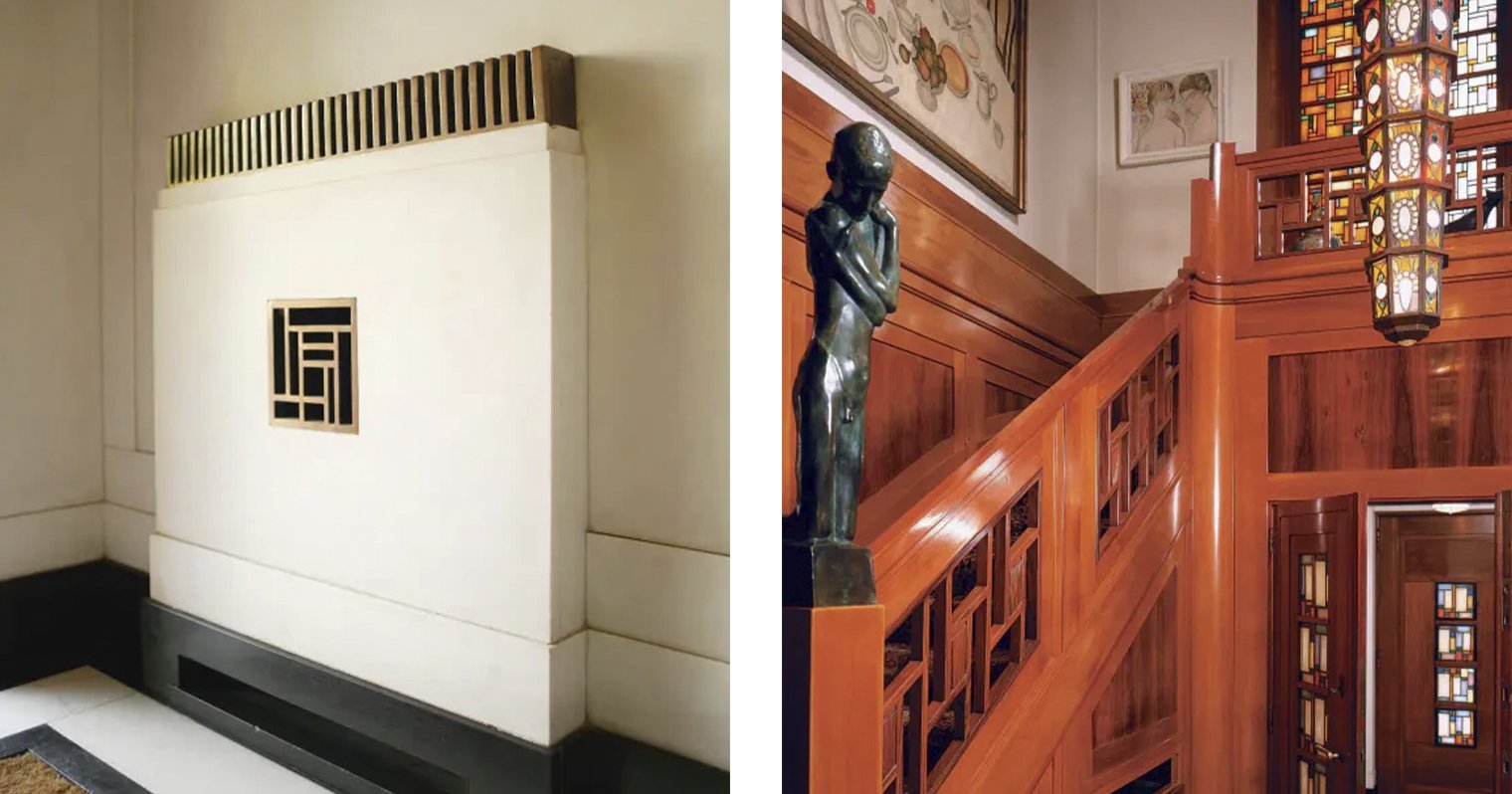
David and Alice played an active role in designing their home, carefully choosing every detail to create an atmosphere of harmony and aesthetic innovation. David himself contributed to the development of motifs that can be found throughout the house, including in the radiator cabinet and on the banister of the grand staircase. In 1925, the couple travelled to Paris to visit the Exposition des Arts Décoratifs et Industriels Modernes. There, they became acquainted with the work of Sonia Delaunay, Maurice Dufrène, Maurice Gaspard, and Jan Eisenloeffel, among others. They returned to Brussels with new furniture, ranging from cushion covers to a 700-kilogram chandelier, as well as plenty of inspiration for the interior design of their dream home.
A meeting place for artists
The van Buurens moved in a wide international social circle. Their home was not a closed private space, but rather a vibrant hub where artists, thinkers, and cultural icons would gather. Guests included Queen Elisabeth, composer Eugène Ysaÿe, French painter Raoul Dufy, poet Jacques Prévert, designer René Lalique, and fashion designer Christian Dior, as well as Belgian surrealist René Magritte. International politicians such as Golda Meir, Yitzhak Rabin and Moshe Dayan also found their way to the house in Uccle, demonstrating the breadth of the van Buurens' social contacts.
Patron and friend
The painter Gustave Van de Woestyne played a special role in their lives, and they maintained a close friendship with him. Van Buuren provided the artist with important financial and moral support, and acquired several of his works. The spiritual, understated nature of Van de Woestyne's imagery closely matches the contemplative atmosphere of the house, reflecting the couple's personal taste and sensibility. What began as patronage grew into a close friendship. In fact, it was so close that Van de Woestyne named his son after David, and his daughter Styne became the museum's first curator in 1975.
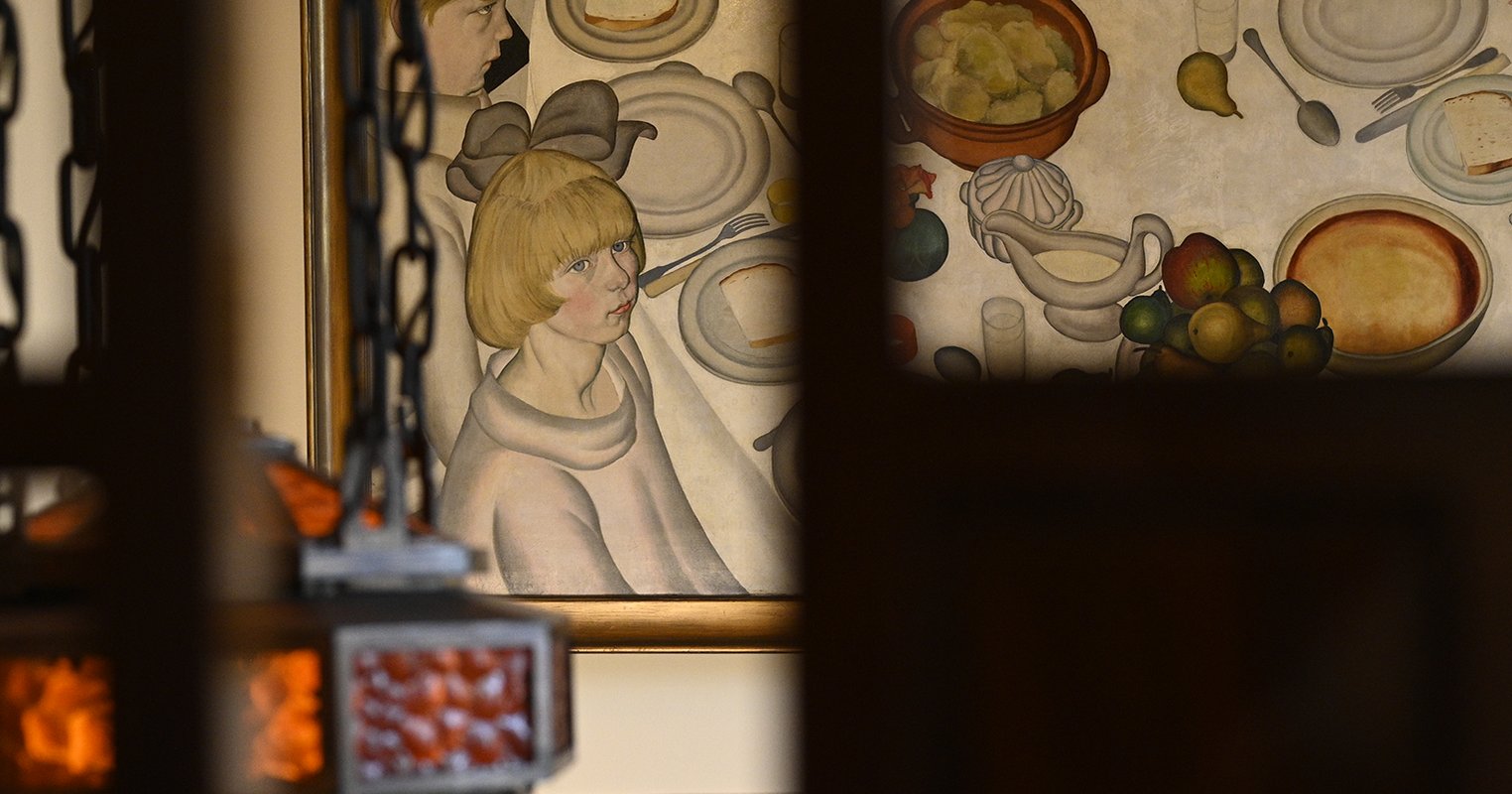
During his lifetime, David Van Buuren purchased around thirty paintings by Van de Woestyne. Consequently, the Van Buuren Museum now boasts the most extensive collection of the Sint-Martens-Latem painter's works. Alongside these, the collection includes works by artists such as Constant Permeke, James Ensor, Kees van Dongen, Van Gogh and Bruegel, creating a dialogue between old masters and modern art.
The garden
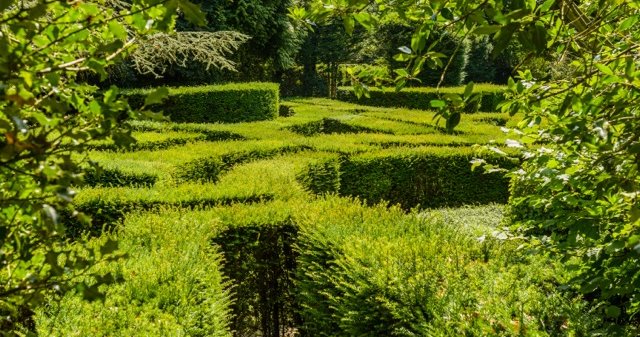
The gardens surrounding the house were designed and developed with as much care as the house itself. David and Alice Van Buuren viewed the landscape as an extension of their aesthetic and intellectual world. Alice's love of roses led to the creation of two separate rose gardens, both of which were designed by the landscape architect Jules Buyssens. In the 1960s, René Pechère designed a labyrinth for her. She had dreamt about this idea: a vision in which she saw herself wandering around a maze wearing a white robe. Pechère also designed the garden of the heart, which was Alice's tribute to David, the love of her life, who had passed away by that point.
Together, David and Alice van Buuren created an exceptional ensemble in which architecture, the visual arts, music, and landscape architecture converge. Their house in Uccle is a testament not only to the cultural ambitions of the interwar period, but also to an approach to life in which art was considered an integral part of daily life. To experience this for yourself, book a guided tour with Korei here.
