The European Quarter


Shaped by power, vision, and international ambitions
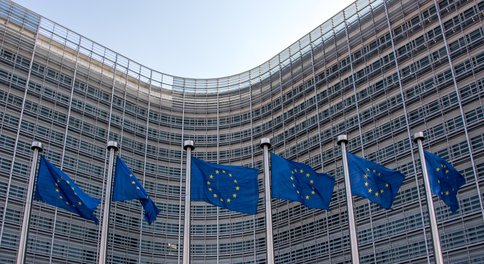
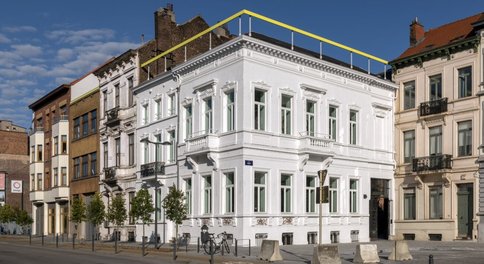
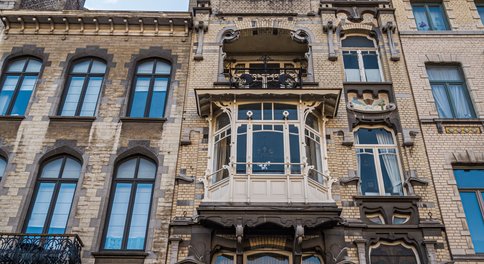
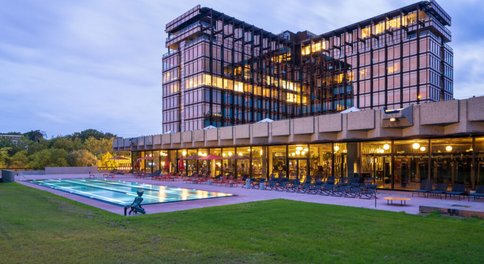
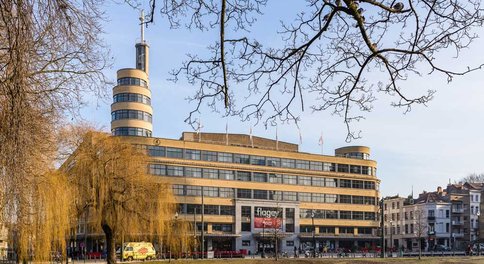
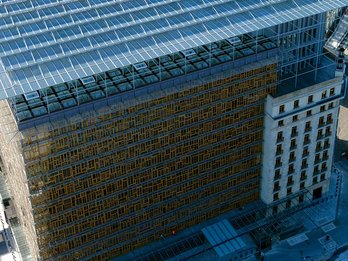
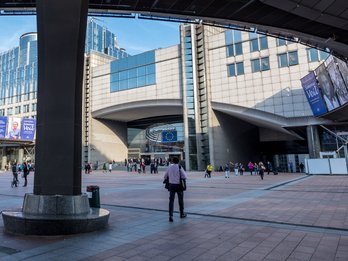
Few Brussels neighborhoods have undergone such a radical transformation in recent decades as the Leopold neighborhood. What was built in the 19th century as an elegant residential area for aristocrats and wealthy citizens grew after World War II to become the political heart of Europe. Today, the presence of the European institutions largely determines the appearance, character, and rhythm of this neighborhood.
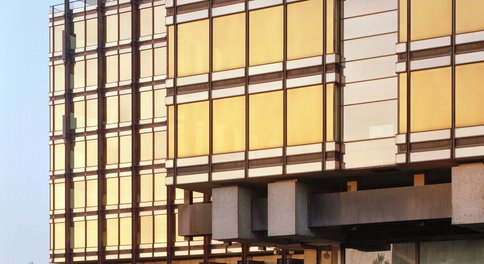
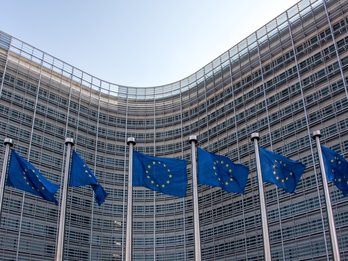
Little remains of the original Leopold district, apart from the checkerboard street plan. Since the signing of the Treaty of Rome in 1957 and the establishment of the European Economic Community, more and more European institutions have settled in Brussels. This gradually gave rise to the European Quarter, with the iconic buildings of the European Commission and the European Parliament as its landmarks.
It's not only about offices
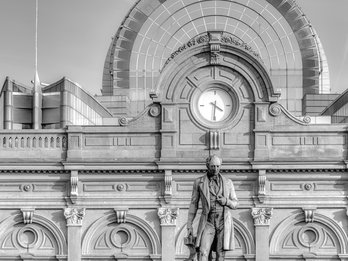
During this tour, we will discover a neighborhood that is surprisingly unknown to many. We will outline the historical development of Brussels' first eastern urban expansion and place the contemporary urban fabric in context. We will also visit Leopold Park and highlight its rich past, from the Eggevoort estate to the science park with figures such as Einstein, Solvay, and architect Balat. If desired, this walk can be combined with the Jubelpark and the Squares district.
Good to know
This city walk takes place in an urban environment where obstacles such as cobblestones, narrow sidewalks, and level differences cannot always be avoided. Please do not hesitate to contact us for more information.
This walk is a linear walk with a different end point. Don't want to walk back to the starting point? No problem: there is always a public transport stop nearby. At the start, you can agree on the end point with the guide.
Calendar
View our calendar of walks and interior visits for individual participants